


Creating a style guide keeps everything consistent across all marketing campaigns and communications. If challenges arise, be honest about what went wrong and how you’re addressing it. How can companies and organizations improve their online reputation?
When it comes to improving your search engine rankings, don’t underestimate the impact of responding to reviews. By encouraging more reviews through your active response, you indirectly fuel your SEO engine, making your online presence more attractive to users and search algorithms alike. You can use responses to these reviews to amplify your rankings for searches related to this model in your area. For example, say you’re a car dealership and you have lots of five-star reviews raving about the smooth drive and advanced features of a particular model. Google pays attention to the keywords within your responses to reviews. Let’s take a look at some specific ways engaging with your reviews helps boost your search rankings.
Your audience wants to know you’re aware and working on a solution. What sets great brands apart is how they respond when their positive brand reputation is on the line. People trust brands that stand for something, whether it’s sustainability, transparency, or innovation. When it comes to online brand reputation management, having clear, consistent values sets you apart in a crowded online market.
Besides understanding what marketers struggle with in managing brand reputation, I also wanted to analyze what they are trying to achieve. The industry split was more concentrated than I expected, and the discussions within each industry feel pretty different from one another. What do people find hardest about brand reputation management day-to-day? From my marketing experience, how to handle trustpilot fake reviews the pain here is about speed and showing up as a brand, because when brands respond too late, or don’t respond at all, they lose control of their own story. This topic shows a growing anxiety that while AI can boost efficiency, brands can pay a price if they roll out AI-powered products too fast. The second-most-popular topic focuses on how poorly designed AI tools can hurt a brand’s reputation.
With a unified view of all channels, you’ll always know where conversations are building — and where your reputation is at risk. Leverage real-time sentiment insights, media impact scoring, and competitive benchmarking to see exactly how your brand is being perceived. Directly compare your brand’s share of voice, sentiment, visibility, and media resonance against top competitors to see how you stack up. Hootsuite analyzes millions of conversation hubs — social media, news, blogs, forums, video, and even review sites — to provide a holistic view of sentiment at any given moment.
BrightLocal’s 2026 edition of the same survey found that 68% of consumers will only consider a business with a rating of 4 stars or above, meaning slipping below that mark seriously affects your ability to be competitive. BrightLocal’s Local Consumer Review Survey from 2024 found that 88% of consumers would consider using a business that responds to both positive and negative reviews, compared to just 47% who’d consider one that doesn’t respond at all. How you handle reviews has a measurable effect on whether people choose you at all. #BoycottKelloggs trended across TikTok, the clip circulated widely on X, and the company’s silence in response left a vacuum that critics filled for days. The quality of the public record surrounding your brand determines how the AI answers, which means your reputation feeds the machine whether you’re actively managing it or not. Edelman’s 2025 research on brand trust found that 91% of people who use generative AI platforms use them for shopping in some way, including researching brands, comparing products, and summarizing reviews.
Consistently analyzing and adjusting your approach based on feedback and performance metrics will keep your reputation on solid ground. You’ll need a solid plan to effectively manage your business’s online reputation, ensuring positive perceptions and trust among consumers. By analyzing these sentiments, you’ll pinpoint exactly what resonates with your audience and where you need to pivot. Analyze your online reviews and gauge the sentiment on social media to get an accurate picture of public perception. Invest in tools that monitor, analyze, and enhance your reputation, ensuring every customer touchpoint reflects the quality and integrity of your brand. Every interaction, review, and social media post can significantly impact how potential customers perceive your brand.
In some cases, online reputation management can take a considerable amount of effort. Take ownership and respond in a timely manner when something negatively impacts your brand. In response, Tide partnered with the New England Patriot’s Rob Gronkowski to tweet a reminder that the pods were for laundry, not eating. To connect with users that reached out to Nike on Twitter, Nike created a separate Twitter handle for customer support (it’s @NikeService, by the way).
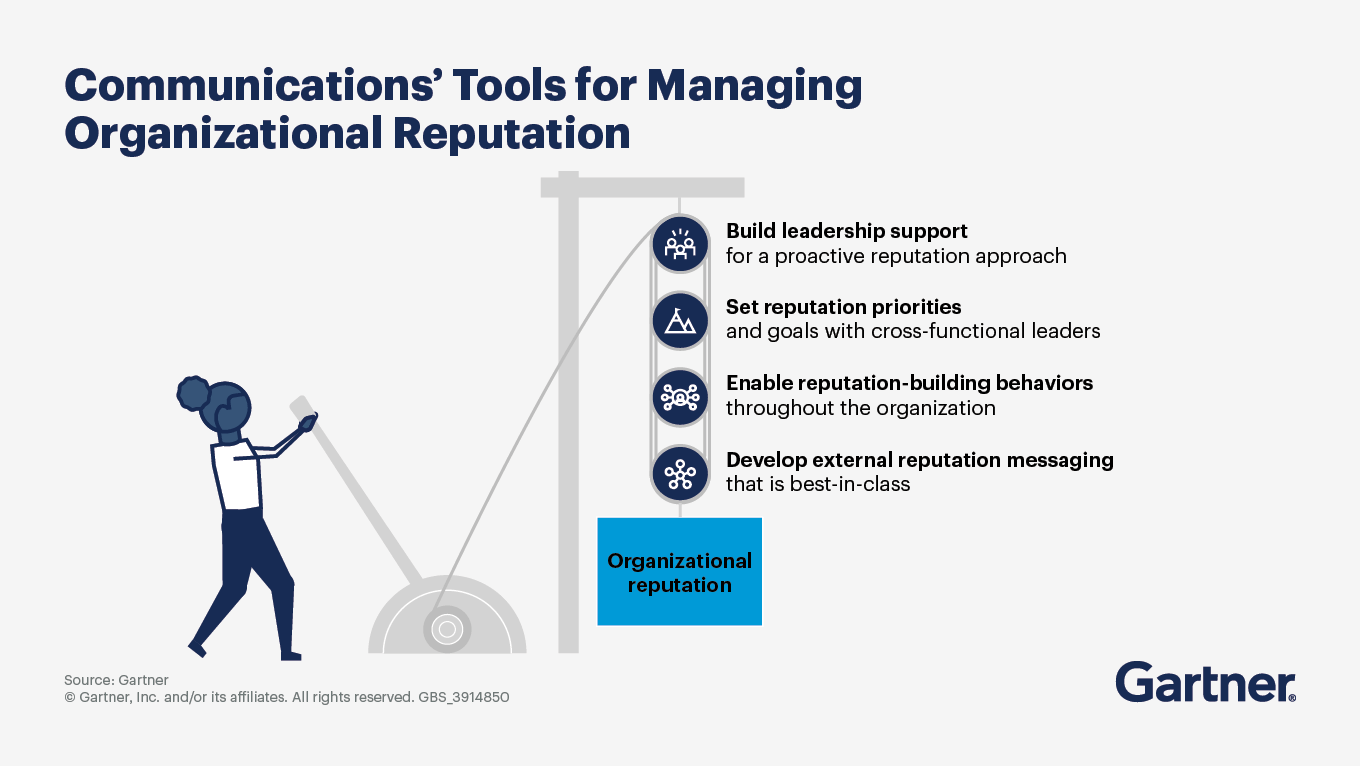
In this context, 14 members of the Forbes Agency Council discuss how modern brands are improving and safeguarding their reputations while emphasizing their societal and environmental values. In today’s interconnected and socially aware world, managing a brand’s reputation is becoming increasingly complex. By adopting this approach, your brand can be positioned as an industry authority, which in turn attracts and retains customers, ultimately enhancing your brand reputation. By implementing these proactive measures, you can consistently enhance and evolve your brand, elevate its reputation, maintain relevance, and achieve sustainable success.
Reputation management encompasses more than just marketing; it includes customer experience, leadership, public relations, and frontline personnel. Whether overseeing a personal brand or a large corporation, managing reputation is vital for long-term business success. Additionally, we will examine practical examples and brand asset management (BAM) tools such as BrandLife, which assists organizations in protecting, enhancing, and expanding their brand presence. Therefore, managing brand reputation has transitioned from being optional to becoming essential.