

Game Discovery for Canadian Online Casino Players

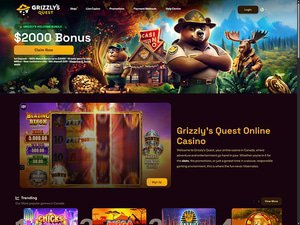
Choosing games online is easier when the lobby helps you compare categories rather than pushing you towards the most visible title. The grizzlys quest casino review describes a Canadian-facing catalogue that combines slots, jackpots, table games, live dealers, game shows and arcade-style releases. That range can be useful, but it also creates a practical question: how should players sort the selection and decide which games deserve closer attention? A structured approach makes browsing clearer without treating entertainment as a guaranteed source of profit.
Start with the type of experience you want
The most useful first distinction is between games driven mainly by automated outcomes and games that recreate a table or studio environment. Video slots, classic slots, Megaways-style titles and jackpot games are generally built around repeated spins. Their themes, bonus features, paylines and presentation may differ substantially, even when the basic action looks similar. This makes the slot category broad rather than uniform.
Table games offer a different rhythm. Blackjack, roulette, baccarat, video poker and other card games usually present a smaller number of decisions or selections per round. Some versions are entirely digital, while live-dealer tables use streamed presenters and physical equipment. Players who want a quicker, more visual format may also notice game-show titles and arcade-style releases, which sit somewhere between traditional casino play and casual interactive entertainment.
A simple sorting question can prevent unfocused browsing: do you want short, repeated rounds; more deliberate choices; or a streamed social atmosphere? The answer does not identify a “best” game, but it narrows the catalogue to formats that match your attention and preferred pace. It is also worth remembering that a familiar theme or attractive interface says little about the likely outcome of a game.
Use lobby tools before judging individual titles
A large catalogue becomes more manageable when players use the available navigation tools instead of scrolling through every release. The described lobby includes search, favourites, recently played games, trending and new-game areas, jackpot sections, exclusive titles and personalised recommendations. These tools have different purposes: search is useful when you know a title, while categories are better for discovering an unfamiliar format.
Search terms can be practical rather than thematic. Try looking for “blackjack”, “live”, “jackpot”, “Megaways” or “video poker” when the lobby supports those labels. Favourites can then preserve a short list for later comparison. Recently played sections may be convenient, but they should not be mistaken for an independent recommendation: they mainly reflect your own previous activity.
Recommendations and trending labels can help surface games, yet visibility is not proof of quality, fairness or suitability. Compare the actual game information where available, including the rules, feature description and any displayed volatility or return information. A brief demo round may explain the controls, but it cannot establish how a game will perform over time. Treat lobby labels as organisational aids, not as performance claims.
Compare slots by mechanics, not only by theme
Slots are likely to occupy much of the catalogue, with examples ranging from classic designs to modern releases such as Mega Moolah, Thunderstruck 2, Gates of Olympus and Sweet Bonanza 1000. A title’s subject—wilderness, mythology, fruit or adventure—may be the easiest feature to notice, but mechanics usually have more influence on how the session feels.
Look for differences in reel structure, paylines, winning combinations, bonus rounds, multipliers, free-spin features and special symbols. Megaways-style games, for example, can change the number of symbols or winning ways from spin to spin. Progressive and fixed jackpot games add another distinction: a jackpot may be part of the appeal, but its presence does not mean a win is likely or that the game is appropriate for every budget.
Provider names can also help organise research. The catalogue is described as having a prominent Games Global presence, alongside suppliers such as Pragmatic Play, Red Tiger, Foxium, Oros Gaming and others. A provider can indicate a familiar design style, but it should not be used as a substitute for reading each title’s rules. If demo play is offered after account creation, use it to learn the interface and bonus symbols—not to predict future results.
Decide whether live tables add value for you
Live-dealer games are suited to players who prefer streamed tables, a presenter and a more structured pace. The listed categories include live blackjack, roulette, baccarat, casino poker and game shows, with examples such as Live One Blackjack, Live Mega Roulette, OnAir Live Casino Hold’em and Sweet Bonanza Candyland. These are not simply visual versions of slots; they require attention to table rules, betting windows and the timing of each round.
Before choosing a live table, check the specific game format rather than relying on its name. Blackjack tables can differ in rules and limits, roulette variants may use different wheel formats, and game shows can involve mechanics that are unlike conventional table games. The presence of a presenter may make the experience feel more social, but it does not change the underlying uncertainty of the outcome.
Live games also require more uninterrupted attention than many automated titles. Connection quality, camera presentation, table speed and available betting options can affect convenience. Conventional free demo rounds are not generally available for live-dealer games in the described offering, so the rules and displayed table information matter especially. For broader Canadian information about gambling and safer play, consult Canada’s responsible gambling information.
Build a shortlist without confusing variety with value
A useful shortlist might contain one or two games from separate categories rather than ten near-identical titles. For example, a player could compare a classic slot, a feature-heavy slot, a fixed-jackpot game, a digital table game and one live format. This approach reveals which mechanics and pacing actually suit the player instead of allowing a large lobby to determine the choice.
Record practical observations while browsing: how easy the rules are to understand, whether the screen feels crowded, how quickly rounds progress and whether the game offers the features you expected. If a game’s information is unclear, move on rather than assuming that an attractive design compensates for missing details. Players should also check the operator’s current terms for any category restrictions attached to promotions, since contribution rules can vary by game type.
Finally, separate entertainment preference from financial judgement. A jackpot label, a popular title or a loyalty-related recommendation does not make a game more favourable, and no category removes the possibility of losing money. Set a time and spending boundary before browsing, avoid increasing stakes to recover losses, and stop when the planned session ends. The strongest game-discovery method is therefore selective: understand the format, compare the mechanics and choose only what fits your limits.
Questions Canadian players often ask about game discovery
Are all games in the lobby available in every province?
Not necessarily. Availability can depend on provincial eligibility, account status, game availability and the operator’s current terms. A catalogue description does not establish access for every resident. Check the stated requirements and local conditions before relying on a particular title or category being available to you.
Can demo play prove that a slot is likely to win?
No. Demo play can help you understand controls, paylines and bonus features, but a short session cannot verify long-term returns, volatility or future results. Use it as a familiarisation tool only, and review the game’s information rather than treating sample outcomes as evidence of performance.
What is the difference between a live game and a virtual table game?
A virtual table game uses software to generate and display the round, while a live game usually streams a presenter and physical table or studio setup. Rules and betting options can differ between versions, so read the specific table details before choosing either format.
CL Strong Foundation